10 Sacred Sites You'll Visit During Adi Kailash Yatra
Introduction
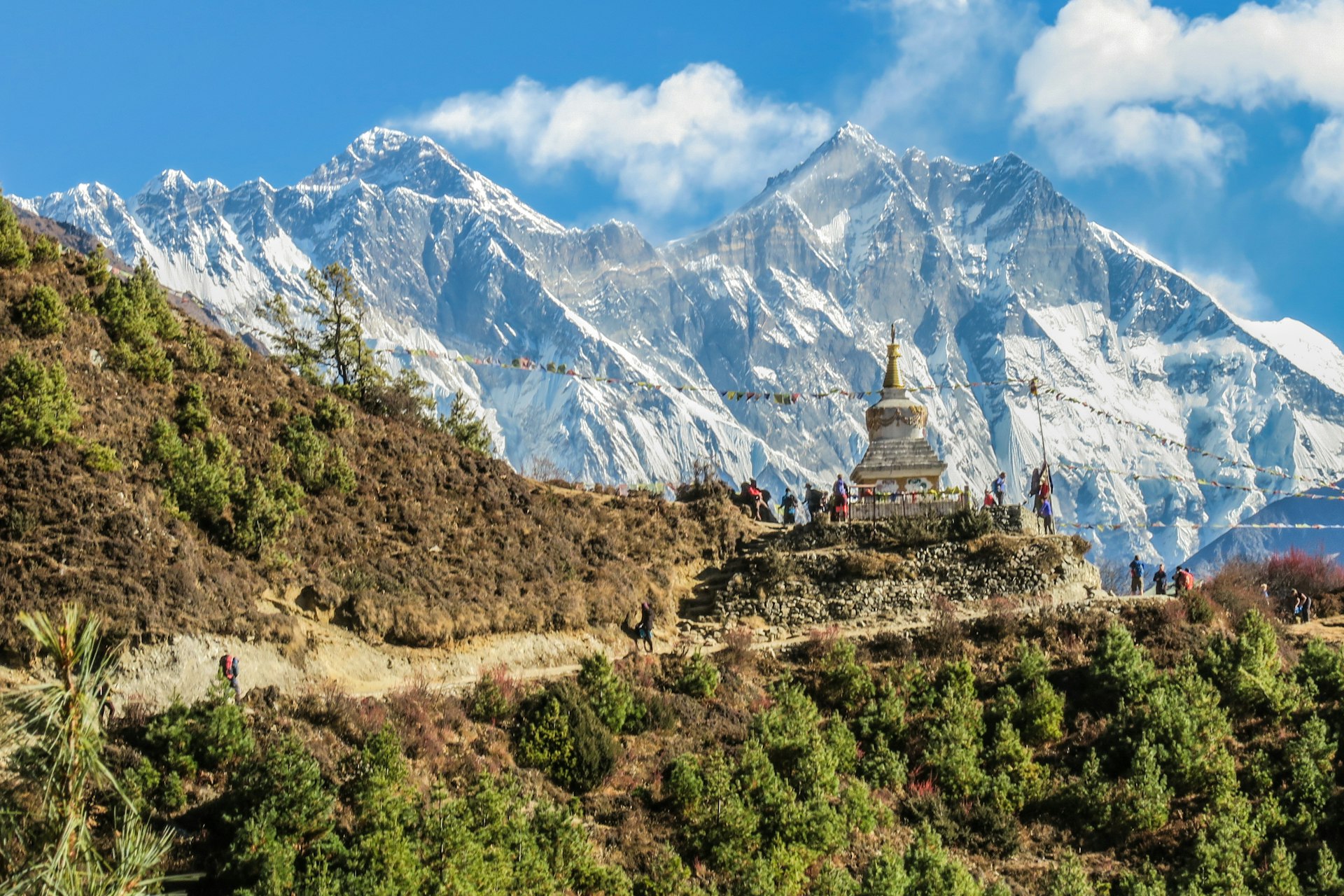
The journey to Adi Kailash is not just about reaching the peak—it’s about experiencing a divine trail of sacred sites that make this pilgrimage truly transformative. From ancient Shiva temples to mystical glacial lakes, every stop holds deep spiritual significance.
1. Adi Kailash Peak (5,945m)
The Crown Jewel
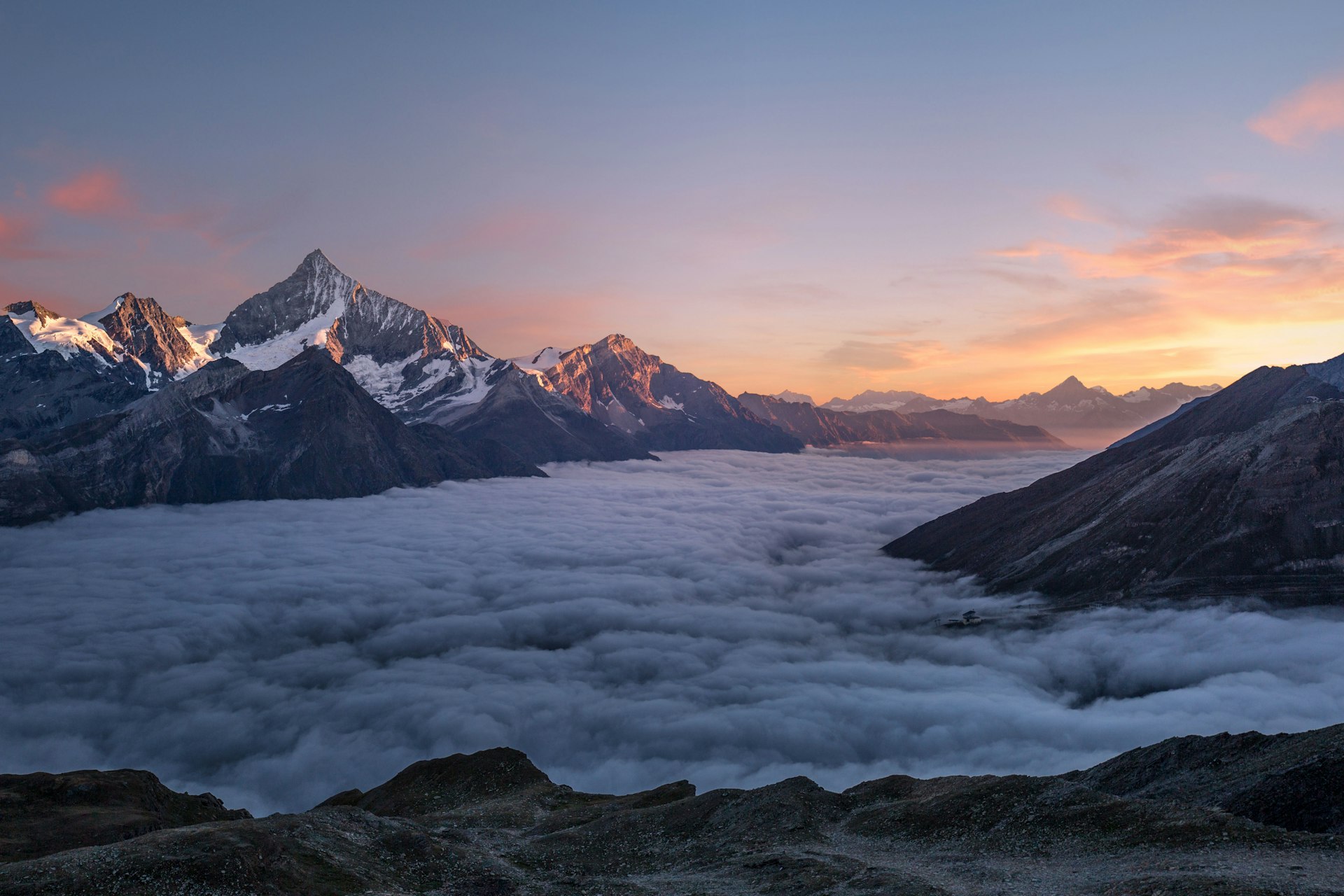
The main destination, Adi Kailash (also called Chhota Kailash or Baba Kailash), is considered Lord Shiva’s second abode after Mount Kailash in Tibet. The pyramid-shaped snow-covered peak resembles Mount Kailash and is revered as part of the Panch Kailash system.
Spiritual Significance:
- Believed to be where Ravan performed intense tapasya
- Mentioned in Mahabharata as the Pandavas’ refuge during exile
- Darshan from Jolingkong base camp (5-6 hours trek)
Best Viewing: Early morning (6-8 AM) for clear views
2. Om Parvat (6,191m)
Nature’s Divine Symbol
One of the most mystical phenomena in the Himalayas, Om Parvat naturally displays the sacred “ॐ” (Om) symbol formed by snow depositions on its rock face. This miraculous sight can only be seen from specific angles.
Why It’s Special:
- Natural formation, not man-made
- Visible only from Nabi village route
- Symbol remains year-round (snow doesn’t melt completely)
- Considered Lord Shiva’s signature on the mountain
Photography Tip: Best captured from Nab village viewpoint around sunrise.
3. Parvati Sarovar (4,500m)
The Sacred Lake
A pristine glacial lake located at the base of Adi Kailash, Parvati Sarovar (also called Parvati Kund) is believed to be where Goddess Parvati bathed. The lake’s emerald-green waters are considered highly sacred.
Spiritual Practices:
- Pilgrims perform puja and circumambulation
- Holy dip taken by devotees (weather permitting)
- Offering flowers and incense is traditional
- Water carried back for home temples
Important: Lake partially freezes in early/late season.
4. Kuti Village & Temples
Last Indian Settlement
Kuti is the last inhabited village before the Tibet border (8 km away). The village houses ancient temples and offers stunning views of the Himalayas.
Key Attractions:
- Ancient Shiva Temple: 500+ years old
- Kali Temple: Perched on hilltop
- Border Viewpoint: Can see Tibet clearly
- Traditional Bhoti houses: Unique architecture
Cultural Note: Kuti residents are of Bhoti origin with Tibetan heritage.
5. Gunji Village
Cultural Hub
Gunji is a large village at 3,200m where pilgrims acclimatize. It’s home to warm-hearted locals and serves as a base for further trek.
Highlights:
- Colorful Buddhist prayer flags
- Traditional handicrafts market
- Warm hospitality (homestays available)
- Last place for mobile connectivity
- Ancient trade route to Tibet passes through here
Must-Try: Local butter tea (Po cha) and Thukpa.
6. Jageshwar Temple Complex
The Himalayan Khajuraho
Located in Almora district on the return route, Jageshwar is a cluster of 124 ancient stone temples dating back to 9th-13th century AD. The main temple dedicated to Jageshwar (Lord Shiva) is an architectural marvel.
Why Visit:
- Ancient Nagara-style architecture
- Intricate stone carvings
- Serene deodar forest setting
- One of 12 Jyotirlingas (according to some texts)
Timings: 6 AM - 8 PM (free entry)
7. Narayan Ashram
Spiritual Retreat
Located near Dharchula, Narayan Ashram is built at the confluence of Gori Ganga and Kali rivers. Founded by Narayan Swami in 1936, this ashram offers tranquility and spiritual energy.
Activities:
- Meditation by riverside
- Visit to Pancheshwar Mahadev Temple nearby
- River rafting (seasonal)
- Ashram prasad and accommodation (donations accepted)
Spiritual Vibe: Feels like Rishikesh’s peaceful cousin.
8. Tawaghat Confluence
River Sangam
Tawaghat marks the sacred confluence of Dhauliganga and Kaliganga rivers. In Hindu tradition, river confluences (sangams) are considered auspicious for ritual baths and prayers.
What to Do:
- Take holy dip (safe bathing spots available)
- Perform pind daan for ancestors
- Visit nearby ancient temples
- Photography (confluence point spectacular)
Best Time: Morning (6-9 AM) for puja
9. Jolingkong Base Camp (4,580m)
Gateway to Adi Kailash
Jolingkong serves as the base camp for Adi Kailash darshan trek. The campsite offers panoramic views of snow peaks and serves as acclimatization point.
Experience:
- Camp under starlit Himalayan sky
- Bonfire evenings with fellow pilgrims
- Early morning trek to Adi Kailash viewpoint
- Yak and horse rides available
- Temporary temples set up during season
Facilities: Tented accommodation, basic food, toilet blocks.
10. Nabi Village Viewpoint
Om Parvat Darshan Point
Nabi is the sole vantage point from where Om Parvat’s sacred symbol is clearly visible. The village serves as an overnight stop and viewing platform.
Highlights:
- Exclusive Om Parvat viewing spot
- Traditional Bhoti village life
- Local homestays (budget-friendly)
- Border area pass needed (arranged by tour operators)
Best Viewing: 6-7 AM (clear weather essential)
Bonus: Hidden Gems Along the Route
Pancheshwar Mahadev Temple
Ancient Shiva temple near Dharchula at confluence of Mahakali and Sarayu rivers.
Chirkila Dam
Scenic reservoir surrounded by mountains, peaceful stop.
Dharcula Kali Temple
Town’s protective deity, must-visit before starting yatra.
How to Plan Your Sacred Sites Tour
5-Day Package: Covers Adi Kailash, Parvati Sarovar, Kuti, Gunji, Om Parvat
9-Day Package: Includes above + Narayan Ashram, Jageshwar, Pancheshwar
14-Day Grand Circuit: All sites + Munsiyari, Pithoragarh temples, leisurely pace
Best Time for Sacred Site Visits
May-June:
- ✅ All sites accessible
- ✅ Clear mountain views
- ✅ Pleasant weather
- ❌ Crowds at popular spots
September-October:
- ✅ Post-monsoon clarity
- ✅ Fewer pilgrims
- ✅ Autumn colors beautiful
- ❌ Early snowfall risk in late Oct
Tips for Spiritual Pilgrimage
- Carry Offerings: Flowers, incense, fruits for temple pujas
- Respect Local Customs: Remove shoes at temples, modest clothing
- Early Morning Visits: Best time for darshan and photography
- Photography Ethics: Ask permission before clicking people
- Leave No Trace: Carry back all waste, keep sites clean
- Puja Essentials: Carry small kalash, rudraksha, sacred thread
Conclusion
The Adi Kailash Yatra is a spiritual odyssey through 10+ sacred sites, each with unique divine energy. From the snow-clad Adi Kailash peak to the mystical Om Parvat, from ancient Jageshwar temples to serene Parvati Sarovar—every site adds a layer to your spiritual transformation.
Book your Adi Kailash Yatra with Shiv Yatra Tourism and experience all these sacred wonders with expert guidance and comfortable travel.
Har Har Mahadev! 🙏
Related: Complete Adi Kailash Yatra Guide | Package Details
📌 Topics Covered:
📢 Share This Article
Ready to Experience Adi Kailash?
Let us help you plan your sacred pilgrimage. Contact our expert team today!